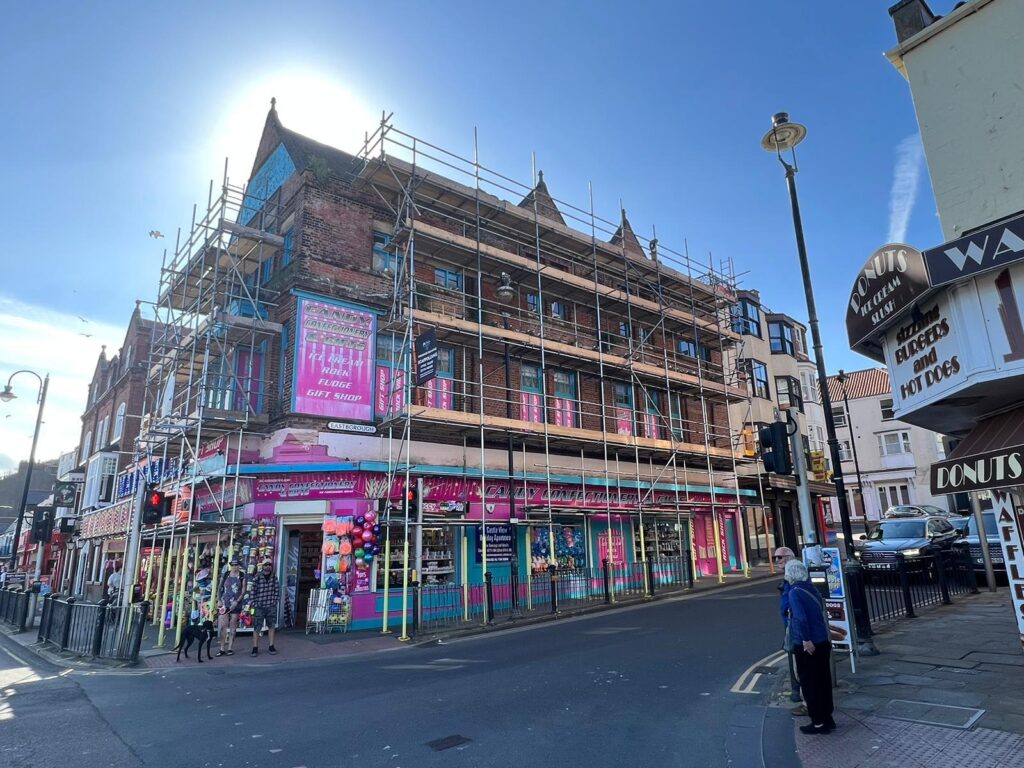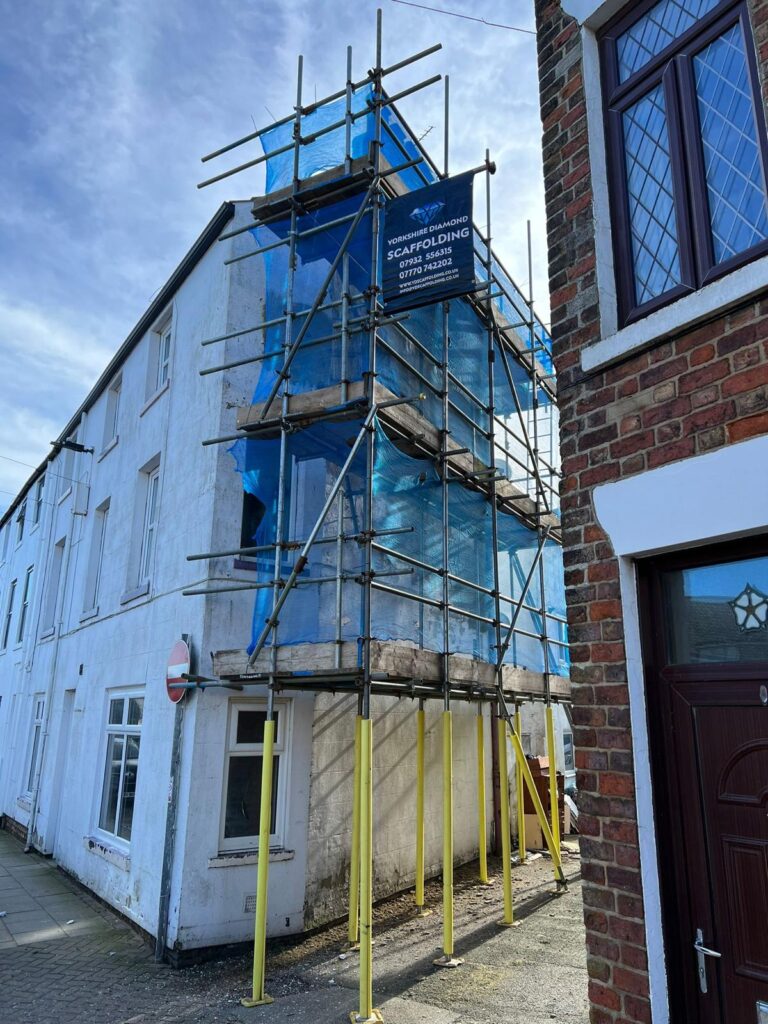
Scaffolding services in Hull provide critical support to construction projects, allowing workers to reach high and inaccessible areas with ease and safety. These services include the provision of temporary structures made of steel or timber, designed to support both workers and materials during the construction, repair or maintenance of buildings. Scaffolding companies offer a range of services including site survey, design, erection, maintenance, and dismantling of the scaffolding structure.
As a major port city in East Yorkshire, Hull has a demand for scaffolding services across a multitude of sectors including residential, commercial, and industrial construction projects. The features of scaffolding services in Hull include flexibility in design to accommodate complex building structures, compliance with health and safety regulations, and the ability to withstand Hull’s coastal weather conditions. The benefits include enhanced worker safety, increased productivity due to easy access to work areas, and reduced project timelines.
Professional scaffolding services offer the expertise and skills needed to ensure that scaffolding structures are fit for purpose and compliant with all relevant regulations. They offer bespoke solutions tailored to specific project needs, ensuring optimal safety and functionality. These services greatly contribute to the successful completion of construction projects in Hull.
The Importance of Scaffolding in Construction Projects
Scaffolding plays a pivotal role in construction projects, providing a safe and secure platform for workers to perform their tasks at height. It not only ensures the safety of the workers but also enhances their efficiency by providing easy access to all parts of the construction site. This is particularly important in a city like Hull, where construction projects often involve working on historic buildings and other complex structures.
Without the use of scaffolding, tasks such as plastering, painting, and installation of fixtures would be incredibly challenging and time-consuming. Scaffolding enables workers to carry out these tasks efficiently, facilitating the smooth progression of the construction project. It also allows for the safe and secure storage of materials at height, reducing the need for constant lifting and lowering of materials.
Furthermore, scaffolding provides protection to the public and property surrounding the construction site. It acts as a barrier, preventing falling debris from causing harm or damage. Thus, the use of scaffolding is essential not just for the successful completion of construction projects, but also for ensuring public safety and maintaining the integrity of surrounding structures.
Types of Scaffolding Available in Hull
Scaffolding services in Hull offer a variety of scaffolding types to suit different project requirements. These include supported scaffolding, which is the most common type used for construction and repair work; suspended scaffolding, often used for tasks such as window cleaning or repair work on high-rise buildings; and rolling scaffolding, which is fitted with castors for easy movement around the site.
Additionally, there are specialist scaffolding services for unique requirements. For instance, birdcage scaffolding, ideally used for work on ceilings or the upper levels of a structure, and shoring scaffolding, designed to support or stabilise buildings and structures that are in danger of collapse. The choice of scaffolding type depends on the nature of the project, the height and area of work, and the load capacity required.
Each type of scaffolding offers different features and benefits. For example, supported scaffolding provides a high degree of stability and can support heavy loads, making it suitable for major construction projects. On the other hand, suspended scaffolding allows for easy access to the upper levels of tall buildings, making it ideal for repair and maintenance work. Thus, the variety of scaffolding types available in Hull ensures that all project requirements can be met efficiently and safely.
Health and Safety Regulations for Scaffolding in Hull
In Hull, as in the rest of the UK, scaffolding operations are governed by stringent health and safety regulations. These regulations are designed to ensure the safety of workers and the public, and to minimise the risk of accidents. They cover various aspects of scaffolding, including the design, erection, and use of the structure, as well as training requirements for scaffolding operatives.
Key regulations include the Work at Height Regulations 2005, which stipulates that all work at height must be properly planned, supervised and carried out in a safe manner. The Construction (Design and Management) Regulations 2015 also applies, requiring scaffolding to be designed by competent persons and constructed and dismantled in a safe manner. Additionally, the Health and Safety at Work Act 1974 imposes a duty on employers to ensure the health and safety of their employees and others who may be affected by their activities.
Compliance with these regulations is not only a legal obligation but also a crucial factor in ensuring the successful completion of construction projects. Failure to comply can result in severe penalties, including fines and imprisonment. Therefore, it is essential to engage a scaffolding service that is fully aware of and compliant with all relevant health and safety regulations.