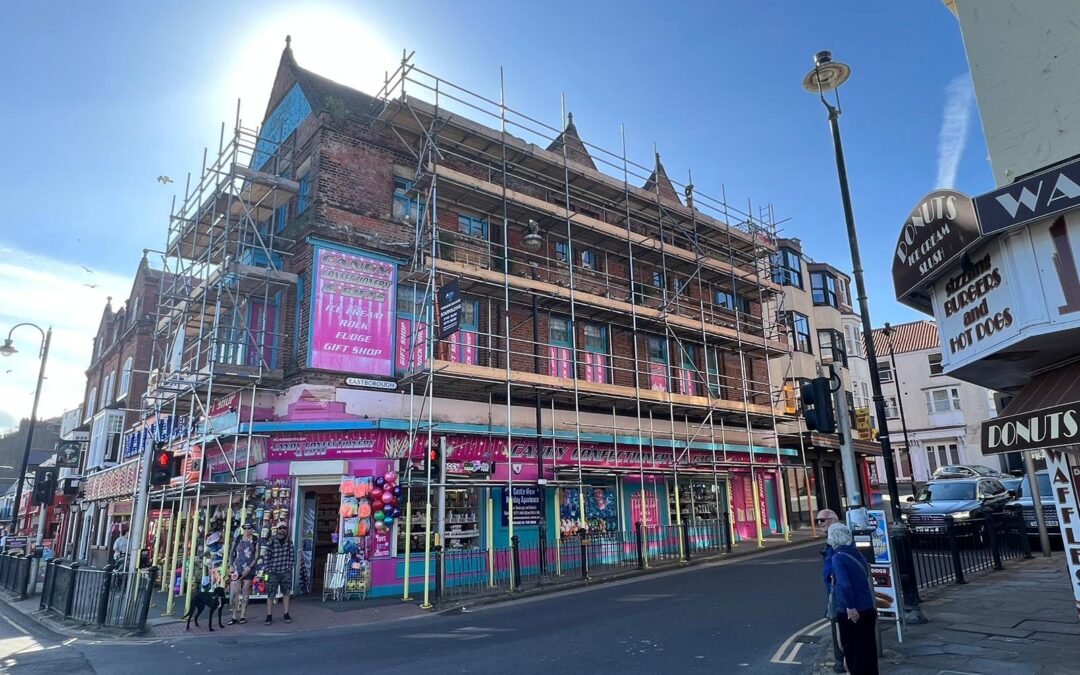
Yorkshire, a region celebrated for its rich cultural heritage and dramatic historical landscapes, boasts a collection of architectural wonders from ancient abbeys to majestic castles. These sites are not just relics of the past; they are living narratives that tell the stories of centuries. Preserving such structures is crucial not only for historical appreciation but also for cultural identity and educational enrichment, helping to bring history alive for successive generations.
The significance of Yorkshire’s historical buildings extends beyond their aesthetic and historical value; they are also pivotal to the local economy. As major tourist attractions, these sites contribute substantially to the regional tourism industry, creating jobs and sustaining local businesses. Therefore, maintaining their structural integrity and aesthetic authenticity is vital for continuing economic benefits.
However, the preservation of such historic edifices presents unique challenges. Weathering, pollution, neglect, and the ravages of time have all taken their toll. To address these issues, expert scaffolding services play a critical role in facilitating the restoration and conservation work that helps extend the life of Yorkshire’s heritage sites, ensuring they remain safe and accessible for public enjoyment and education.
Navigating the Challenges of Heritage Sites
Heritage sites in Yorkshire, with their ancient structures, pose significant challenges that require specialised approaches in their preservation efforts. One of the primary concerns is the delicate nature of these buildings. Materials that have endured for centuries are susceptible to damage from excessive weight or inappropriate handling. Consequently, the scaffolding used must be designed to distribute loads evenly and avoid placing stress on vulnerable parts of the structure.
Another challenge is the accessibility of these sites. Many historical buildings are located in constrained urban areas or amidst rugged landscapes, complicating the transportation and assembly of scaffolding. Additionally, these sites often come with strict regulatory requirements to preserve their historical integrity, necessitating scaffolding solutions that are not only effective but also minimally invasive.
Moreover, each heritage site in Yorkshire has its unique architectural features, which demand customised scaffolding designs. The intricacy of these designs ensures that restorers can access all necessary areas without compromising the site’s integrity or aesthetic value. This bespoke approach often requires innovative planning and a deep understanding of both historical architecture and modern scaffolding technology.
Essential Principles in Heritage Scaffolding
The scaffolding used in the preservation of heritage sites must adhere to a set of core principles to ensure the safety and integrity of the structure. Firstly, the preservation of the structure’s fabric is paramount. This involves using materials and methods that prevent any chemical or physical damage to the original building materials. Materials like protective padding and using non-reactive metals are often employed to avoid scratches or chemical reactions that could degrade the structure.
Secondly, reversibility is a key consideration; all scaffolding additions should be removable without leaving lasting impacts on the buildings. This principle safeguards the architectural integrity, allowing future generations to experience the site unaltered. Finally, the visibility of the scaffolding should be minimised to reduce visual impact, particularly important in sites of historical significance, where the appearance forms part of the heritage value.
These principles guide the creation of scaffolding solutions that are not only effective in providing access and support but also in maintaining the historical ethos of the sites. The challenge lies in balancing functional scaffolding needs with aesthetic considerations, a task that requires expert knowledge and sensitive planning.
Ensuring Safety While Preserving History
The juxtaposition of maintaining stringent safety standards while preserving delicate historical artefacts is a significant aspect of heritage site scaffolding. Safety is paramount, not only for the workers on the site but also for the visiting public and the structures themselves. Rigorous risk assessments are conducted to identify potential hazards, and scaffolding designs are rigorously checked to comply with both safety and heritage preservation standards.
Moreover, ongoing training and specialisation for scaffolding crews in the nuances of heritage work are essential. This includes understanding how to work around fragile materials and under potentially hazardous conditions, all while adhering to conservation principles. It also involves educating teams on the historical significance of the sites to foster a respect and understanding for the structures they are working to preserve.
The balance between safety and preservation also extends to the materials and methods employed. Non-invasive techniques and materials that can withstand environmental factors without degrading are prioritised, ensuring that the scaffolding itself does not become a liability to the site’s structural health or visual integrity.